Custom Charge - Courier App

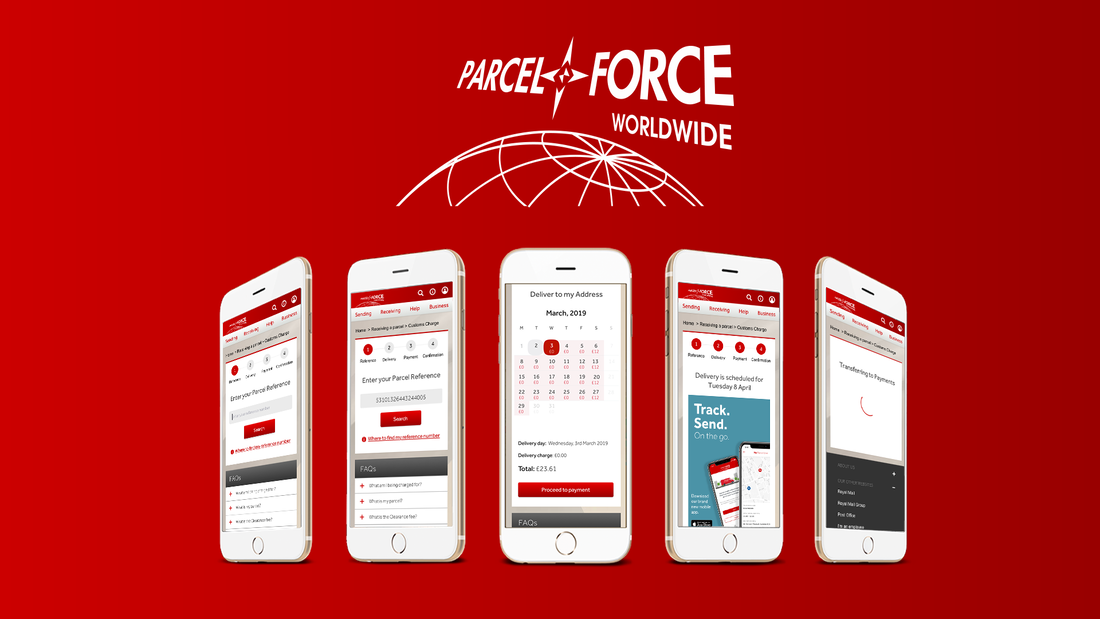

Company:Parcel Force (is a UK-based express parcel delivery service operating nationally and internationally
Role:Senior UX Designer
Duration:2 months
Design team size:2 Designers
Skills:User research, journey mapping, usability testing and prototyping
Output & impact:Redesigned responsive interface; reduced customs friction
Summary/Context
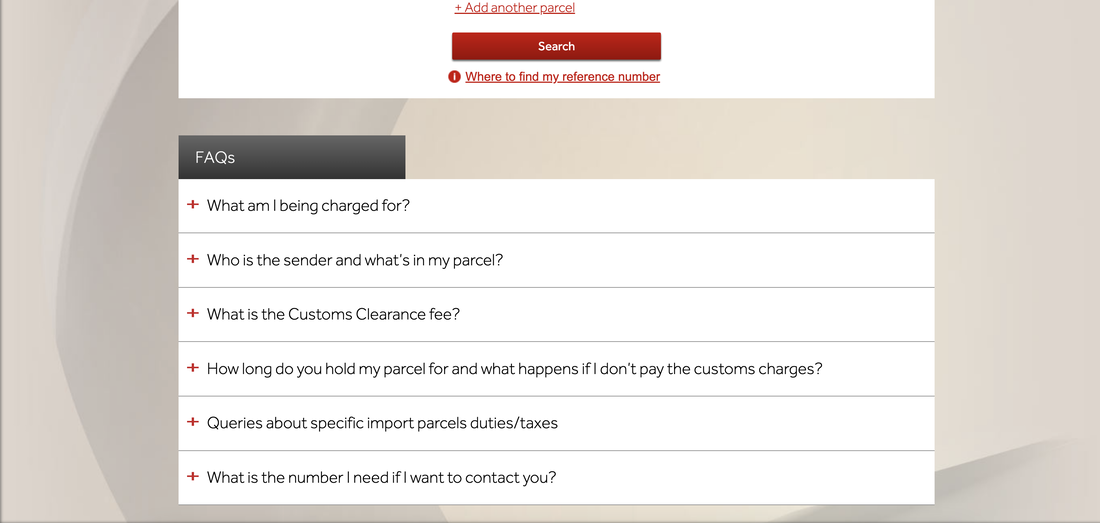
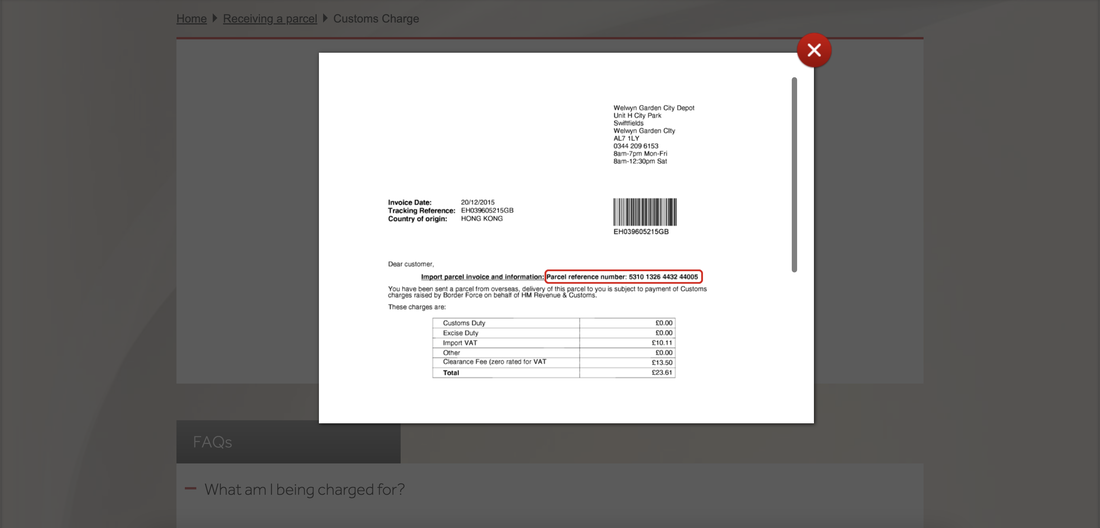
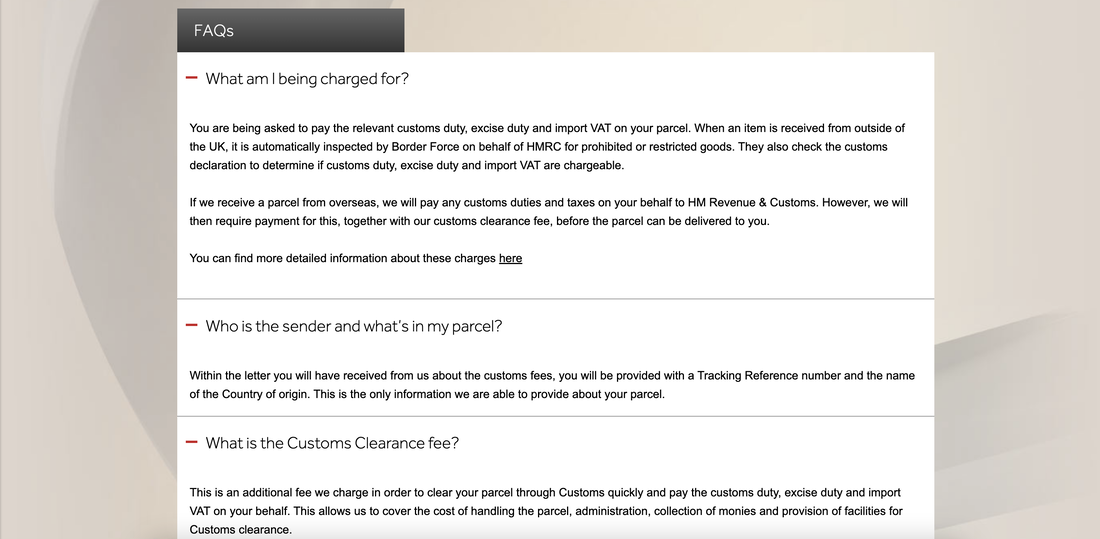
Parcel Force's customs charges journey had become a significant pain point for both end-users and internal employees. The existing process was fragmented, opaque, and poorly suited to the diverse range of people navigating it — from members of the public receiving international parcels to internal staff managing customs documentation on a daily basis.
The project aimed to redesign this journey end-to-end: simplifying the customs charges navigation process, bridging communication gaps between users and Parcel Force employees, and delivering a responsive interface that could serve both audiences consistently across devices. The overarching goal was to transform a complex, multi-step process into a seamless, transparent, and intuitive experience.

Research questions

Research goals
Challenges
Approach
Deliverables & impact
Research questions
- Where in the customs charges journey do users experience the most confusion or frustration, and why?
- How do internal Parcel Force employees currently manage customs documentation, and where do inefficiencies arise?
- What information do users need — and when — to feel confident navigating the customs process?
- How does communication between users and Parcel Force employees break down, and what are the consequences?
- What interface and content design patterns would best reduce cognitive load across a diverse user group?
Research goals
- Understand the mental models users bring to the customs charges process and identify where these conflict with the current system
- Map the end-to-end customs journey from both user and employee perspectives to surface friction points and workflow gaps
- Identify the information needs of users at each stage of the journey, including what is missing, unclear, or mistimed
- Uncover the root causes of communication breakdowns between external users and internal staff
- Establish design principles and requirements that address the needs of a diverse, multi-device user base
Challenges
Challenge: Complexity of dual user groups The project required understanding two very different audiences — members of the public with low domain knowledge, and experienced internal employees embedded in existing workflows. Research methods had to be adapted to generate comparable, complementary insights from both groups without conflating their distinct needs.
Adaptation: Separate interview and ethnographic study protocols were developed for each user group. Employee sessions were structured around task observation to capture real workflow patterns, whilst user interviews focused on attitudes, expectations, and moments of confusion.
Challenge: Accessing naturalistic behaviour Customs processing involves high-stakes, time-sensitive moments that are difficult to observe authentically in a lab setting.
Adaptation: Ethnographic methods were prioritised to observe employees in their working environment, enabling the team to document inefficiencies as they occurred rather than relying solely on self-reported behaviour.
Approach
Ethnographic Studies
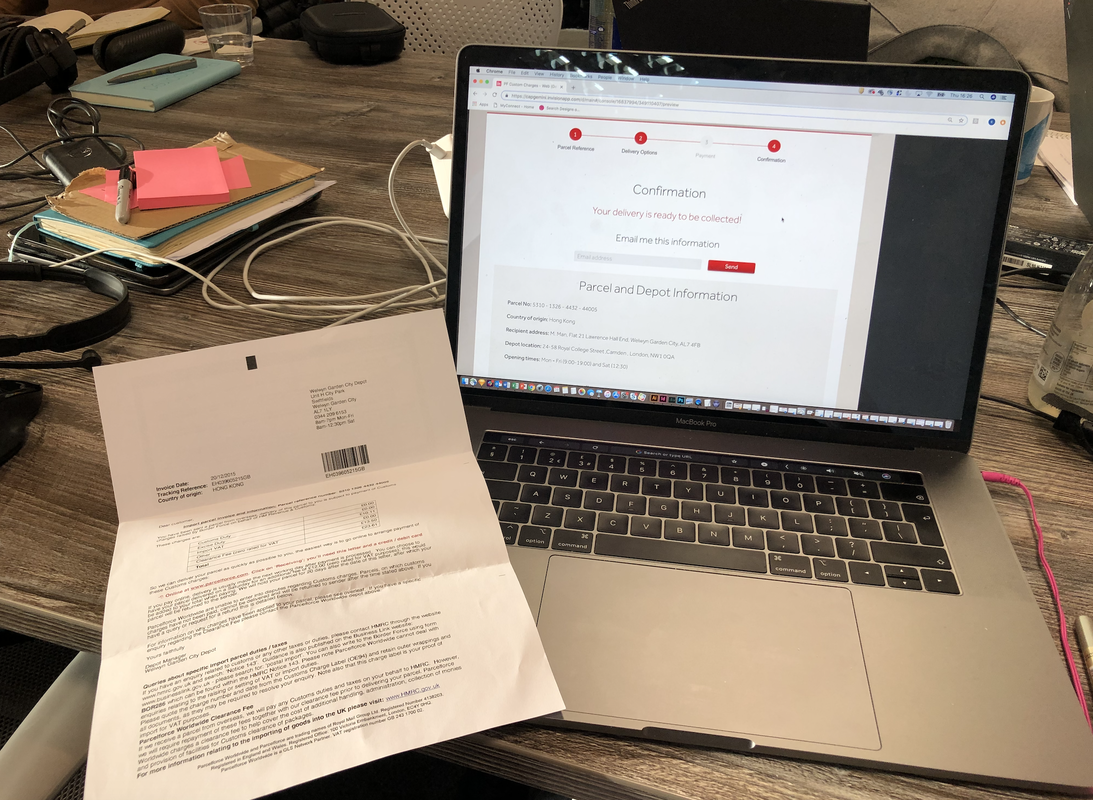
Observational sessions with internal employees in their working environment, capturing real-time customs processing behaviour, workarounds, and communication practices. Key finding: Manual workarounds had become normalised, with staff compensating for system gaps via informal channels — creating inconsistency and delays. [Placeholder: observation notes]
User Interviews
Semi-structured interviews with external users who had recently navigated the customs charges process. Key finding: Users felt uninformed at critical decision points, particularly around why charges applied — leading to drop-off or avoidable customer service contact. [Placeholder: affinity map]
Journey Mapping
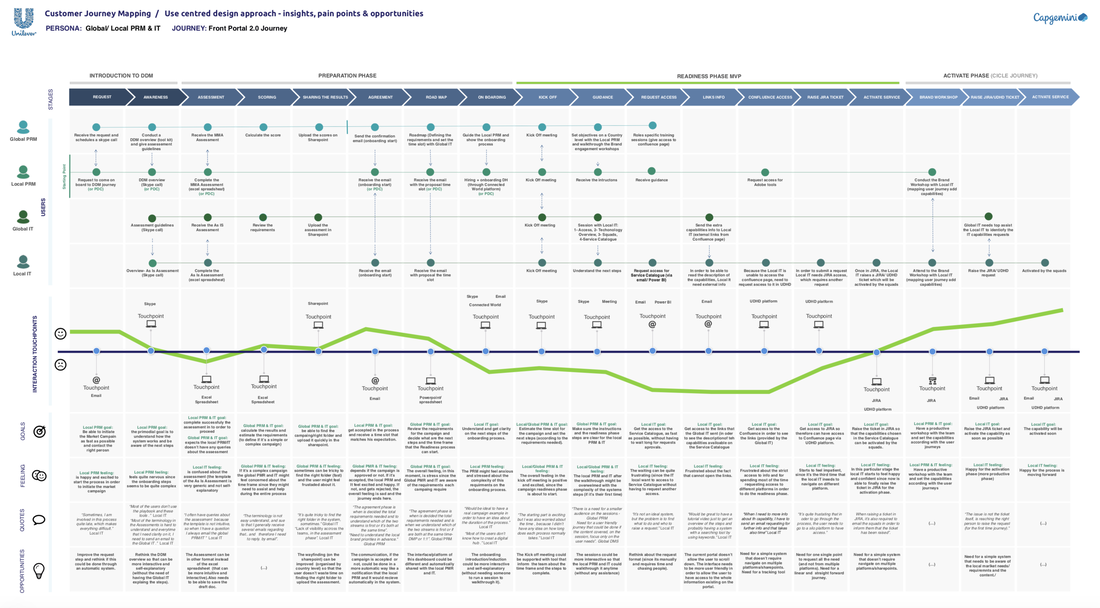
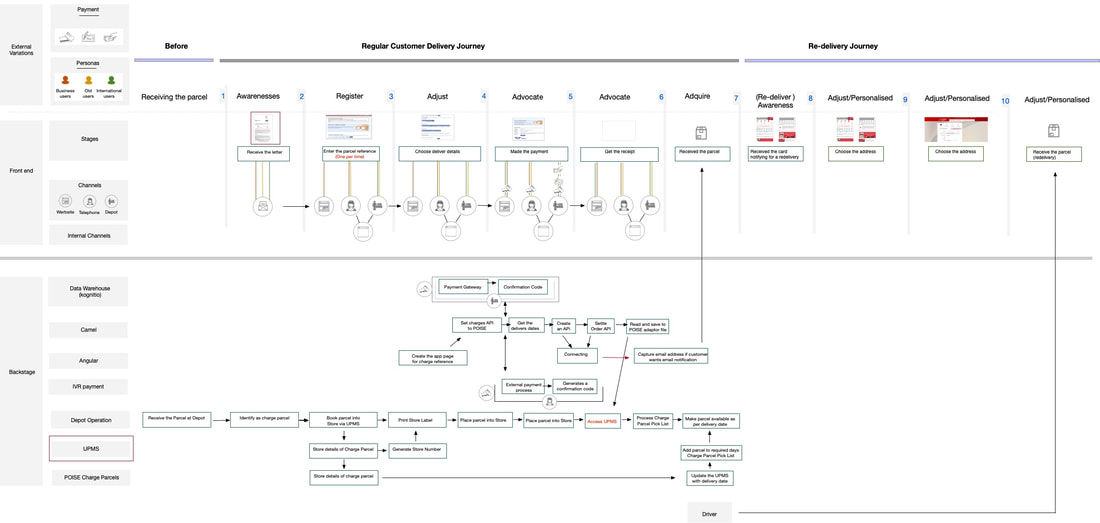
End-to-end map of the customs journey across both user groups, identifying touchpoints, emotional lows, and failure points. Key finding: Friction was highest around charge notification, payment, and status updates — stages where users had no visibility and employees had limited tools to communicate proactively. [Placeholder: journey map]
Usability Testing (Two Rounds)
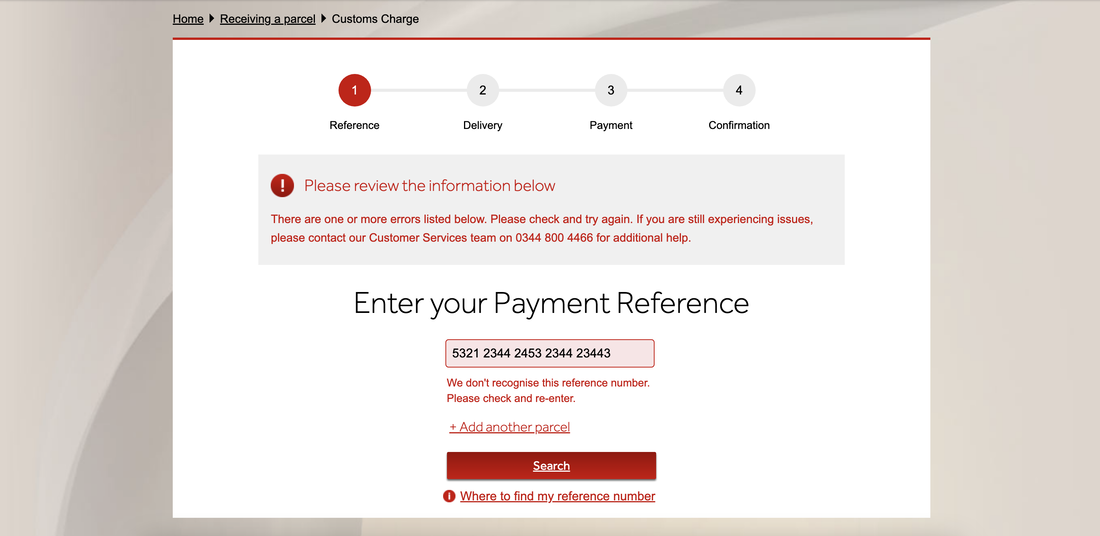
Conducted on the high-fidelity prototype to validate and iterate the design. Round 1 surfaced navigation and terminology issues; Round 2 confirmed these were resolved, with minor refinements to form interactions and error states. [Placeholder: usability report]
User Personas
Synthesised from interviews and observations to represent key archetypes across both user groups. [Placeholder: personas]
Critical insights
RQ1 – User confusion: Greatest friction occurred at charge notification and payment, where users lacked context about why charges applied and how to respond.
RQ2 – Employee workflows: Staff relied on informal workarounds to fill system gaps, introducing inconsistency and slowing resolution times.
RQ3 – Information needs: Users needed plain-language guidance at the point of charge notification — contextual help was consistently absent at the moments it mattered most.
RQ4 – Communication breakdown: No shared visibility existed between user-facing and employee-facing interfaces, causing repeated explanations and frustration on both sides.
RQ5 – Cognitive load: Progressive disclosure, clear status indicators, and step-by-step prompts were well received; employees needed a consolidated case view to avoid duplicating effort.
Deliverables
- User personas (external users and internal employees)
- End-to-end experience journey maps
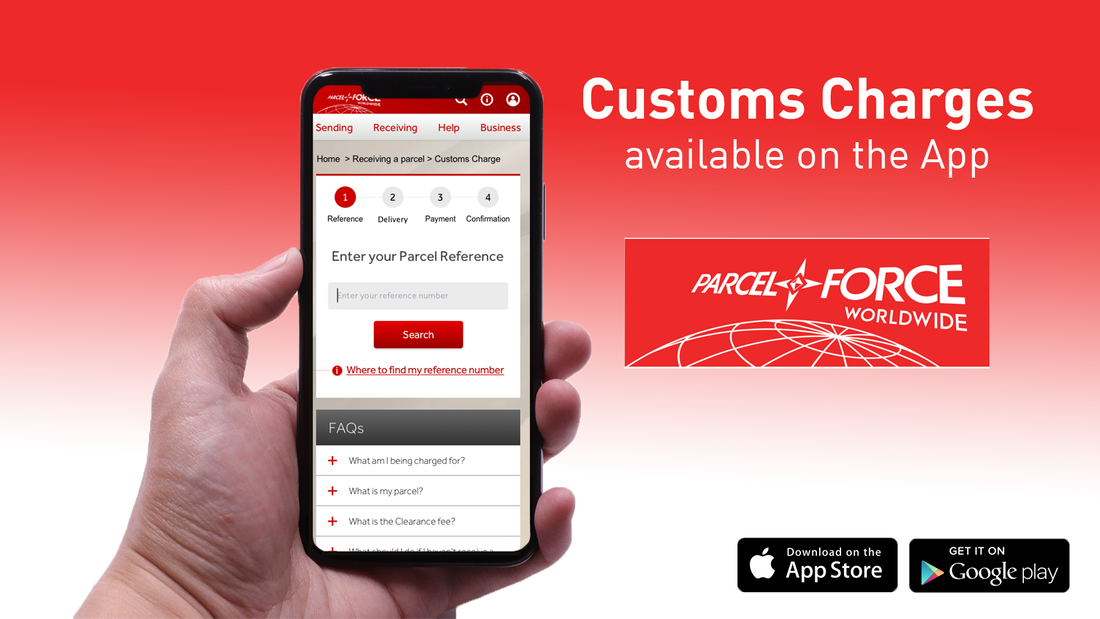
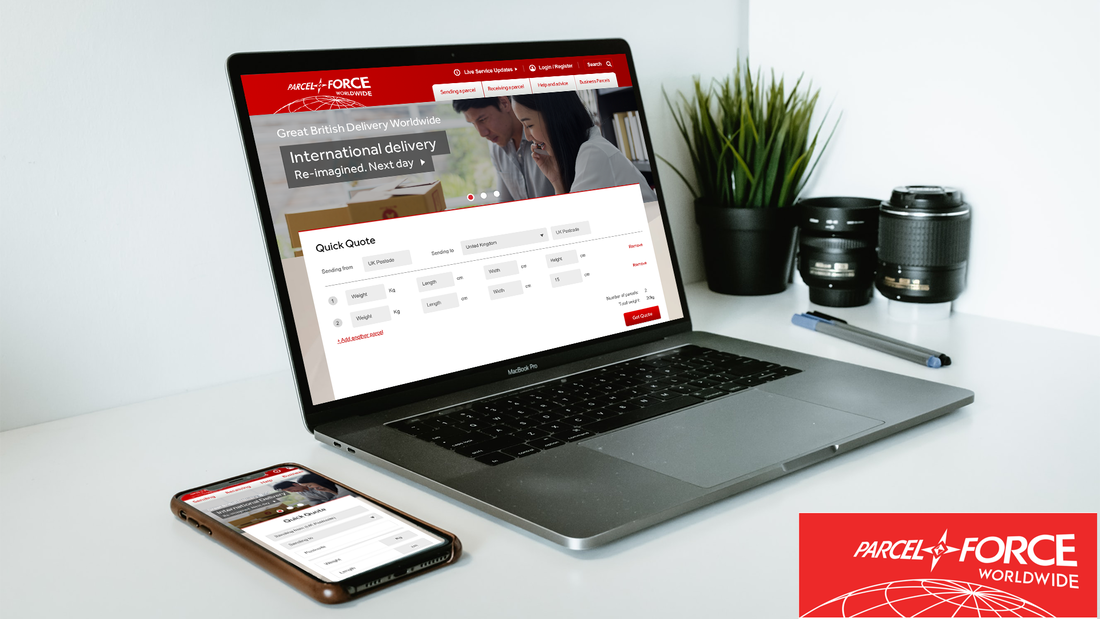
- High-fidelity responsive interface design (customs charges journey)
- Usability testing report (two rounds)
- Customs charges journey optimisation framework
- UX design guidelines for the customs experience
Impact
User outcomes: Reduced confusion and friction at key stages of the customs journey; clearer pathways through charge notification, documentation, and payment; decreased reliance on customer service contact.
Business outcomes: Documented workflow inefficiencies surfaced opportunities to reduce manual employee effort; the optimisation framework provided a foundation for ongoing improvements to the customs journey; design guidelines established a consistent standard for future development.
[Placeholder: quantitative impact metrics where available — e.g., reduction in customer service contacts, task completion rates from usability testing]