Re-org - Service Design


Company:Unilever (global consumer goods operating across multiple markets with global technology functions).
Role:Senior UX Designer
Project duration:3 months
Design team size:Solo Designer
Skills:Service design, user research, process mapping, stakeholder facilitation
Output & impact:Process improvement roadmap; ServiceNow flow redesigns;
Summary/Context
Unilever's Process Excellence Squad identified a systemic challenge: cross-functional operational workflows were inconsistent, slow, and opaque. From the point of a market request to the deployment of a digital capability, teams experienced significant friction — unclear ownership, redundant handoffs, and a lack of standardised tooling — all of which impacted the speed and quality of delivery.
This initiative set out to comprehensively map existing end-to-end processes across multiple internal squads, surface inefficiencies, and co-design targeted improvements. The goal was not only to optimise immediate workflows, but to embed a repeatable, user-centred methodology for ongoing process improvement across the organisation.

Research questions

Research goals
Challenges
Approach
Deliverables & impact
Research questions
- Where do the most significant bottlenecks occur between market request and capability deployment?
- What are the root causes of process inefficiencies across internal squads?
- How consistently are existing tools and systems being used, and where do gaps exist?
- What do process owners and end users need in order to work more effectively across team boundaries?
- How can a standardised process improvement methodology be embedded sustainably within the organisation?
Research goals
- Develop a comprehensive, validated 'As-Is' map of current workflows for each squad
- Identify and prioritise pain points experienced by process owners and operational teams
- Understand the human, process, and technology factors driving inefficiency
- Surface opportunities for standardisation and tooling improvements, specifically within ServiceNow
- Inform a practical improvement roadmap that senior stakeholders could act upon immediately
Challenges
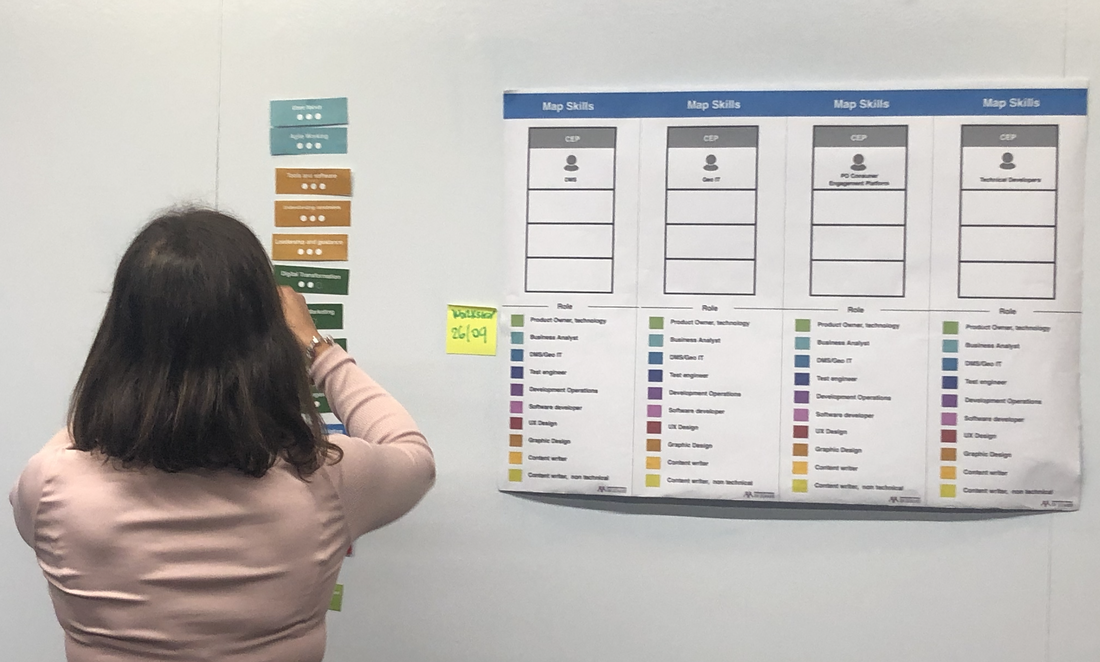
Multi-dimensional processes across disparate squads made it difficult to establish a common mapping language. A standardised 'As-Is' workshop template was developed that could be applied consistently across squads whilst remaining flexible to squad-specific nuances.
Stakeholders were time-poor, limiting access for deep-dive interviews. A structured two-week sprint cadence per squad was introduced to contain scope and maximise value from limited stakeholder time.
Processes were often undocumented or held informally in individuals' heads. Workshops were combined with targeted user interviews to surface tacit knowledge, triangulating findings across sources.
Resistance to change in some squads made it harder to gather candid pain-point data. Sessions were framed as collaborative discovery rather than audit, which encouraged more open and honest participation.
Challenges
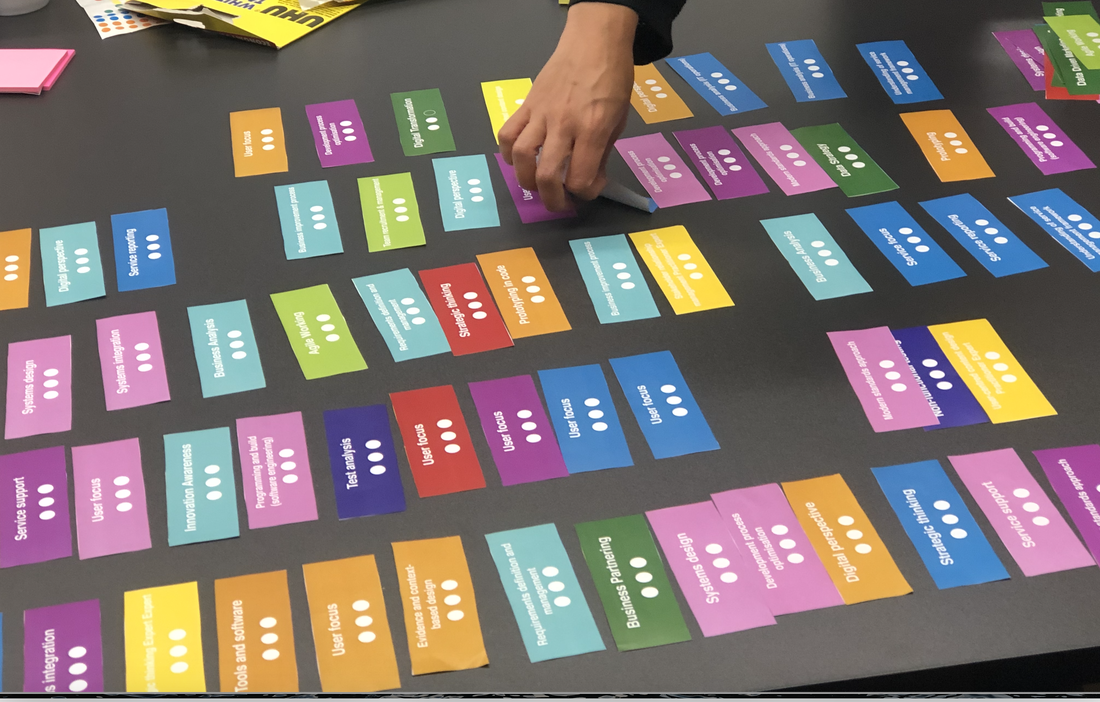
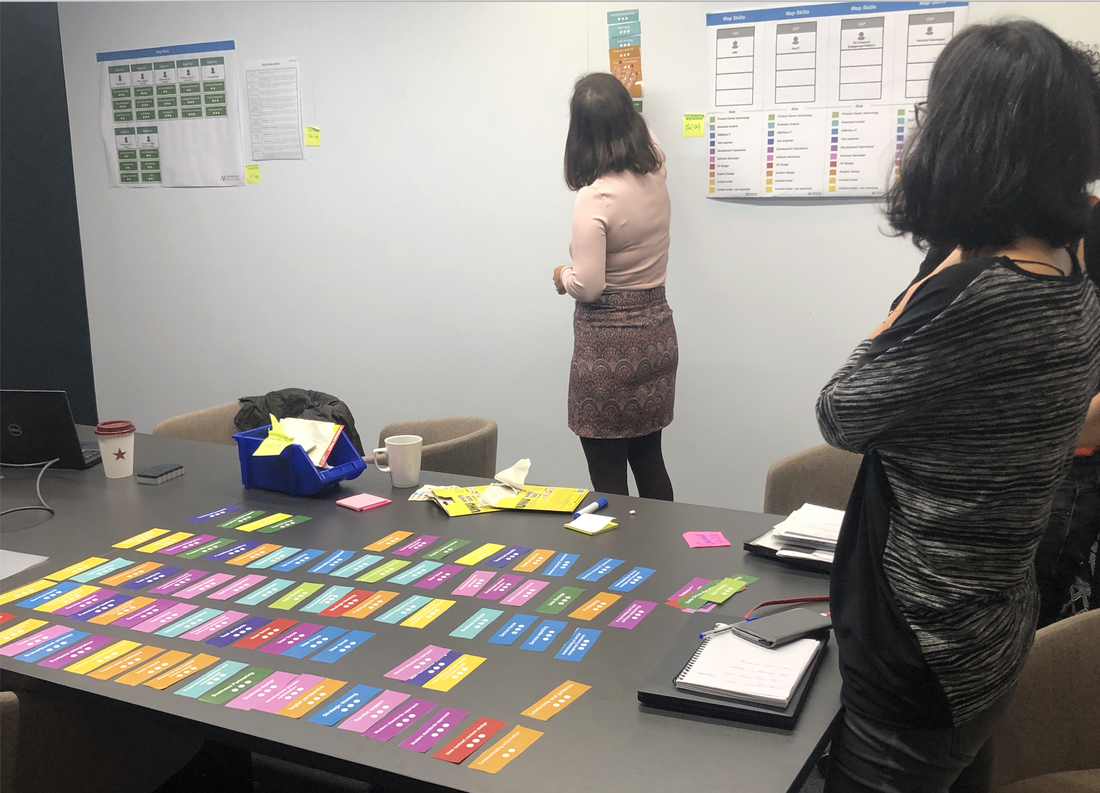
As-Is Process Workshops
Structured workshops were facilitated with Product Owners from each squad to collaboratively document current end-to-end workflows. Sessions used a consistent template to capture steps, stakeholders, tools, inputs, and outputs at each stage of the process.
Sample size: One Product Owner per squad, across multiple squads over the project duration.
Key findings: Workflows were significantly more complex than formally documented. Undocumented decision points and informal workarounds were common. Tool usage varied considerably between squads performing nominally similar functions.
User Interviews
In-depth interviews were conducted with operational staff across squad levels to surface the lived experience of process friction, day-to-day workarounds, and unmet needs — going beyond what was visible in formal process maps.
Sample size: Multiple participants across squads.
Key findings: Users consistently reported confusion around ownership at handoff points. Many had developed personal workarounds for gaps in tooling or guidance, creating invisible inefficiencies not captured in any existing documentation.
Process Mapping & Pain Point Analysis
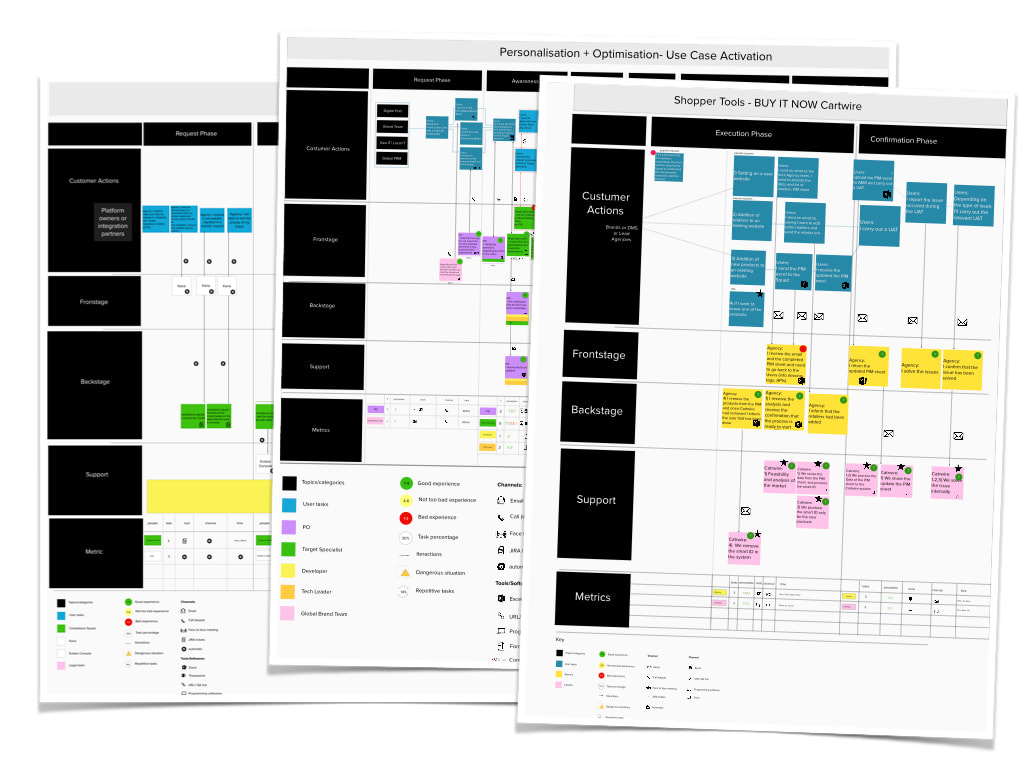
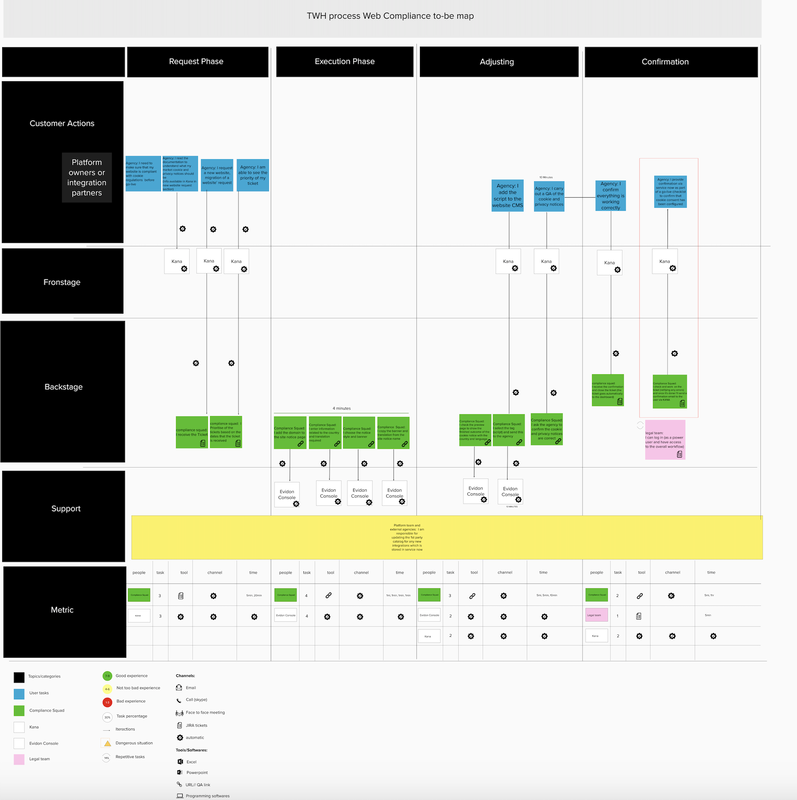
Following each workshop, detailed process maps were created and reviewed with squad leads to validate accuracy. Each map was annotated with identified pain points, categorised by type: people, process, or technology.
Sample size: End-to-end processes mapped across each squad.
Key findings: Bottlenecks were consistently identified at cross-squad handoff points. Ownership ambiguity at these transitions was a primary driver of delay and rework. Technology pain points centred on ServiceNow configuration and inconsistent data entry practices.
Multi-Dimensional Metrics Assessment
A supplementary review of available operational data — including cycle times, ticket volumes, and escalation rates — was conducted to contextualise qualitative findings with quantitative evidence where data was accessible.
Key findings: Quantitative data validated qualitative findings. Squads with the highest reported pain around handoffs showed the longest average cycle times, strengthening the business case for prioritising cross-squad coordination improvements.
Critical insights
Research question 1 — Where do the most significant bottlenecks occur? The most critical delays occurred at cross-squad handoff points, specifically where a request moved from one team's ownership to another without a clearly defined protocol or accountability structure.
Research question 2 — What are the root causes of process inefficiencies? Root causes were threefold: ambiguous ownership at transitions, undocumented informal workarounds replacing broken formal steps, and inconsistent use of shared tooling — particularly ServiceNow — across squads.
Research question 3 — How consistently are tools and systems being used? Tool adoption was inconsistent and largely self-directed. Where guidance was absent, individuals made independent decisions about tool use, creating fragmented data trails and reducing operational visibility for squad leads.
Research question 4 — What do users need to work more effectively across boundaries? Users needed clearer role definitions at handoff points, standardised request intake criteria, and simplified tooling workflows. They valued speed and clarity over comprehensiveness in any documentation or process changes.
Research question 5 — How can a methodology be embedded sustainably? A repeatable sprint-based model — pairing a short discovery workshop with a follow-up validation session — was well-received by squads. Embedding a squad-facing one-page process summary into existing team rituals was identified as the most viable route to sustained adoption.
Deliverables
- Validated 'As-Is' process maps for each squad, annotated with pain points categorised by type (people, process, technology)
- Pain point analysis report with prioritised recommendations per squad
- ServiceNow process flow improvements, co-designed with relevant squad leads
- Comprehensive process improvement roadmap covering near-, medium-, and long-term actions
- Service Design Transformation Guidelines — a framework for embedding user-centred process improvement across the organisation
- Interactive process visualisation tools for use in senior stakeholder presentations
- Stakeholder recommendation documentation presented to senior leadership
Impact
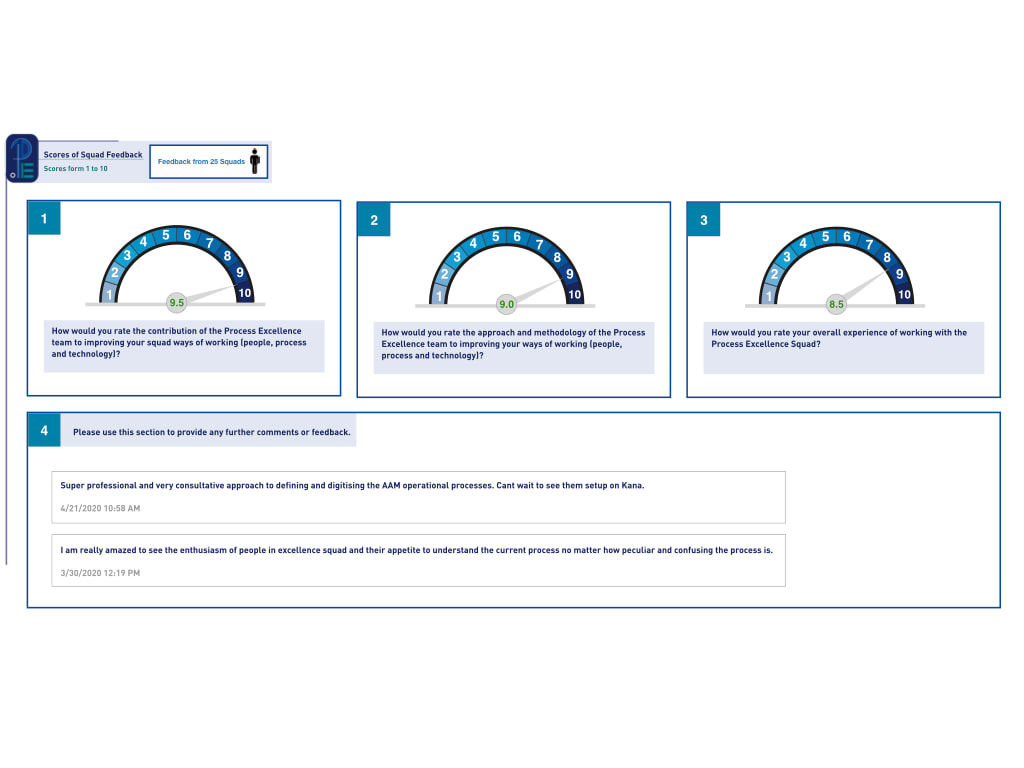
Cross-squad process standardisation reduced duplicated effort and rework at handoff points. ServiceNow improvements increased data quality and operational visibility across teams. Senior stakeholder buy-in was secured for a longer-term service design transformation programme.
For users, operational staff reported greater clarity around their responsibilities within cross-functional workflows. Product Owners gained structured, visual artefacts that supported both team communication and onboarding. The sprint-based discovery model was positively received as a collaborative and non-threatening way to surface process challenges — an important outcome given the early resistance encountered in some squads.