

Carolina Sampaio Portfolio

The Winch Service Design

Company:The Winch / Camden Council


Role:Service Designer

Duration:1 month

Design team size:4 Designers

Skills:Service Design, User Research and Stakeholder Mapping

Output and impact:Blueprint & Informed council support strategy

Summary/Context

Schools in Camden are navigating increasingly complex student needs, yet the support systems surrounding them — spanning council services, community organisations, and school staff — remain fragmented and poorly coordinated. Gaps in communication and unclear referral pathways mean vulnerable students often fall through the cracks before adequate support reaches them.

This project, delivered in partnership with Camden Council, aimed to map the existing school support ecosystem, identify systemic gaps, and develop actionable service design recommendations to improve how The Winch and council services coordinate with schools.

Research questions

  1. What does the current school support ecosystem look like, and where do the critical gaps lie?
  2. How do students, school staff, and support workers experience the referral and support process?
  3. What are the communication breakdowns between schools and external support services?
  4. What interventions would most meaningfully improve coordination and outcomes for students?

Research goals

  • Map the end-to-end journey of a student accessing support across school and community services
  • Understand the lived experience of school staff navigating referral and escalation processes
  • Identify where responsibility is unclear or handoffs between services break down
  • Surface unmet needs from the perspective of students, staff, and support workers
  • Define opportunity areas for service design intervention

Challenges

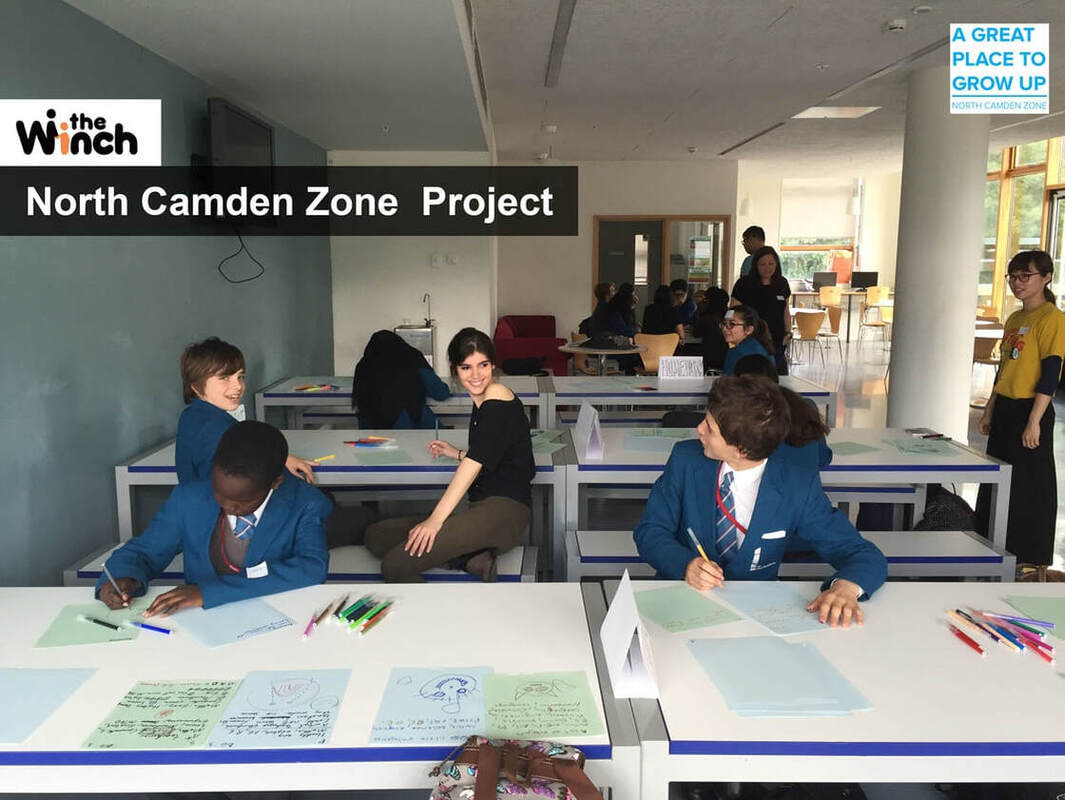
Access to students: Ethical constraints limited direct research with minors. Methodology was adapted to centre school staff and support workers as proxies, supplemented by observation to capture student-facing interactions indirectly.

Stakeholder complexity: The ecosystem involved multiple organisations with differing priorities. Workshops were structured to surface tensions openly rather than assume alignment, enabling more honest problem framing.

Short timeframe: Six weeks required tight scope management. Research activities were sequenced so that interviews directly informed workshop agendas, avoiding duplication and maximising insight quality within the time available.

Approach

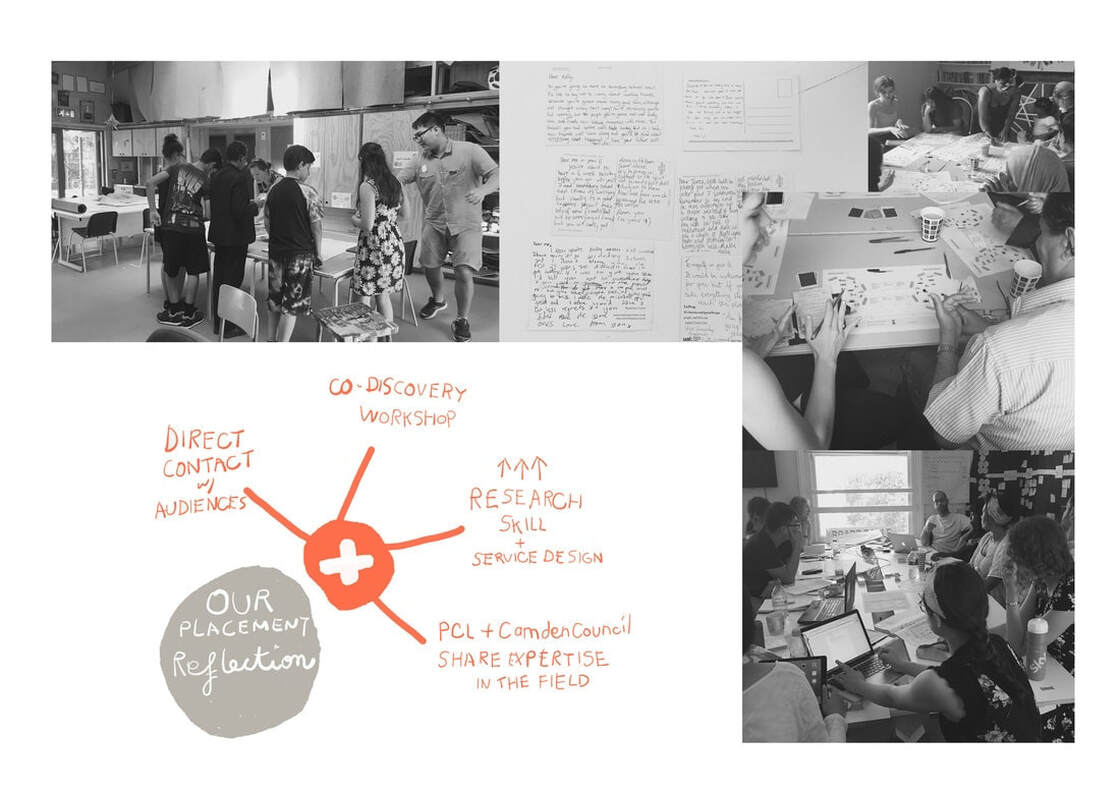
Stakeholder Interviews — 12 participants Conducted with school staff, Camden Council representatives, and The Winch support workers. Revealed significant role confusion around referral ownership and a widespread lack of visibility into what happened after a student was referred.

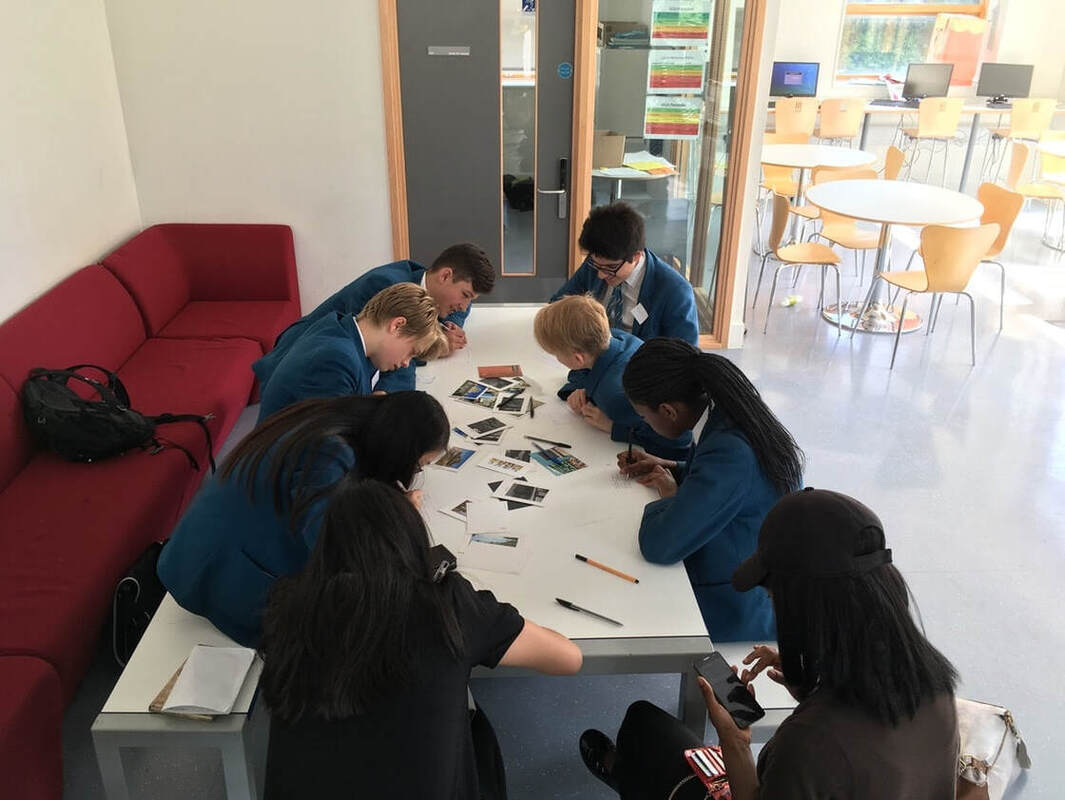
Observation Sessions Attended support handover meetings and pastoral check-ins across two schools. Surfaced informal workarounds staff had developed to compensate for absent formal processes — workarounds that were inconsistent and undocumented.

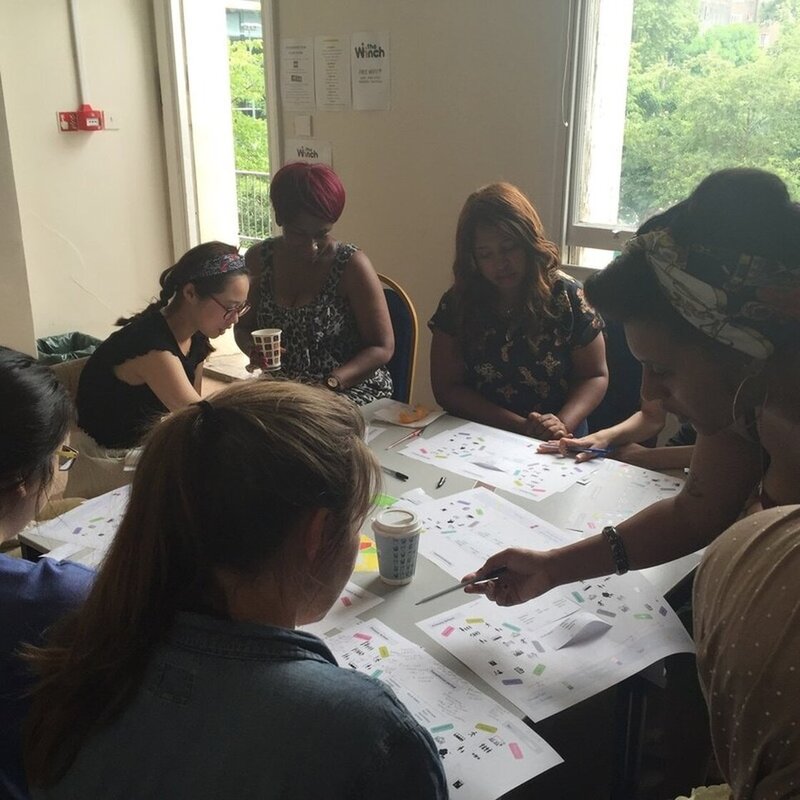
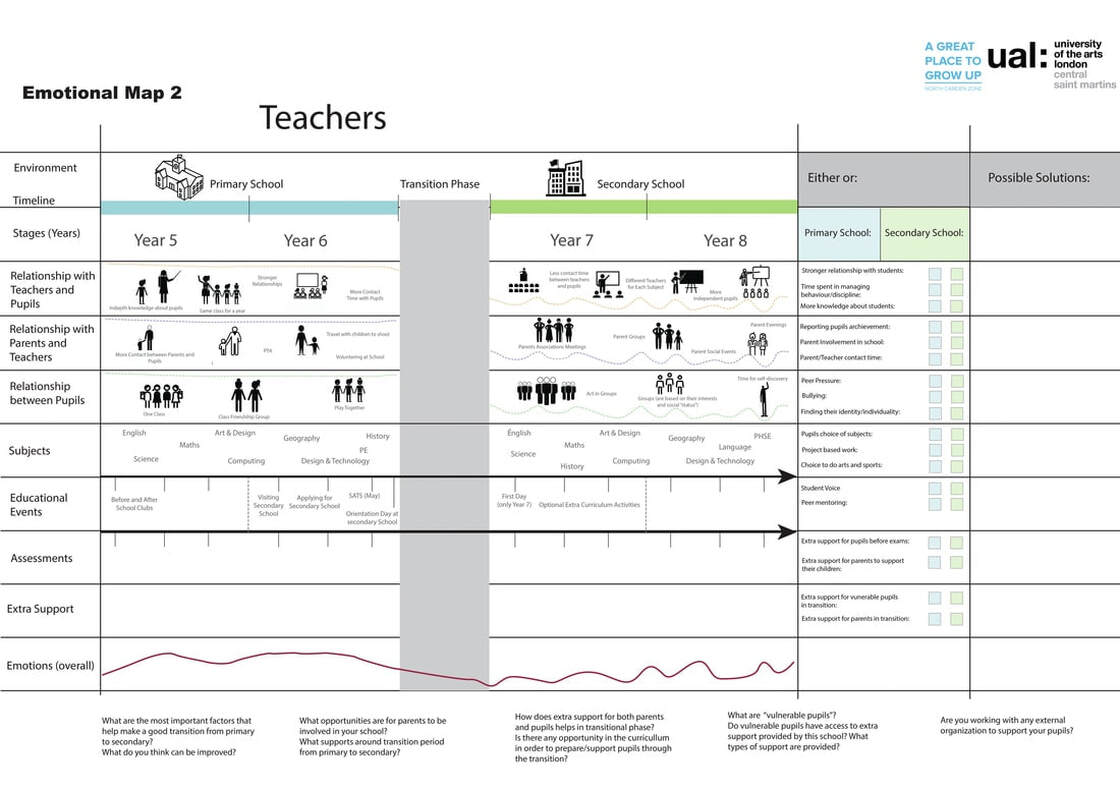
Co-Design Workshops — 2 sessions, mixed stakeholder groups Used journey mapping and 'how might we' framing to move from problem identification to opportunity definition. Generated prioritised intervention areas with buy-in from both The Winch and council representatives.
Critical insights

RQ1: The support ecosystem was fragmented across at least six distinct services with no shared visibility of a student's status or history.

RQ2: School staff felt responsible for student welfare but lacked the tools, time, and authority to navigate external services effectively. Support workers had capacity but insufficient access to school-level context.

RQ3: Communication breakdowns were structural, not interpersonal. There was no shared referral language, no feedback loop after handoff, and no single point of contact between schools and services.

RQ4: Stakeholders consistently prioritised a shared triage process and a named liaison role over digital tooling — relationship-based solutions were seen as more sustainable than system-based ones.
Deliverables

  • Process flow analysis documenting existing referral pathways and breakdown points
  • Problem statement insights and prioritised opportunity areas
  • Research report with strategic recommendations for The Winch and Camden Council
  • Service design intervention framework including a proposed triage model and liaison role specification

Impact

  • Recommendations presented to and accepted by Camden Council as the basis for a pilot intervention
  • Journey maps adopted by The Winch as an ongoing tool for stakeholder onboarding
  • Project established a replicable research model for future council–community partnerships
Carolina’s portfolio

Carolina Sampaio Portfolio

The Winch Service Design

Company:The Winch / Camden Council

Role:Service Designer

Duration:1 month

Design team size:4 Designers

Skills:Service Design, User Research and Stakeholder Mapping

Output and impact:Blueprint & Informed council support strategy

Summary/Context

Schools in Camden are navigating increasingly complex student needs, yet the support systems surrounding them — spanning council services, community organisations, and school staff — remain fragmented and poorly coordinated. Gaps in communication and unclear referral pathways mean vulnerable students often fall through the cracks before adequate support reaches them.

This project, delivered in partnership with Camden Council, aimed to map the existing school support ecosystem, identify systemic gaps, and develop actionable service design recommendations to improve how The Winch and council services coordinate with schools.

Research questions

  1. What does the current school support ecosystem look like, and where do the critical gaps lie?
  2. How do students, school staff, and support workers experience the referral and support process?
  3. What are the communication breakdowns between schools and external support services?
  4. What interventions would most meaningfully improve coordination and outcomes for students?

Research gaols

  • Map the end-to-end journey of a student accessing support across school and community services
  • Understand the lived experience of school staff navigating referral and escalation processes
  • Identify where responsibility is unclear or handoffs between services break down
  • Surface unmet needs from the perspective of students, staff, and support workers
  • Define opportunity areas for service design intervention

Challenges

Access to students: Ethical constraints limited direct research with minors. Methodology was adapted to centre school staff and support workers as proxies, supplemented by observation to capture student-facing interactions indirectly.

Stakeholder complexity: The ecosystem involved multiple organisations with differing priorities. Workshops were structured to surface tensions openly rather than assume alignment, enabling more honest problem framing.

Short timeframe: Six weeks required tight scope management. Research activities were sequenced so that interviews directly informed workshop agendas, avoiding duplication and maximising insight quality within the time available.

Approach

Stakeholder Interviews — 12 participants Conducted with school staff, Camden Council representatives, and The Winch support workers. Revealed significant role confusion around referral ownership and a widespread lack of visibility into what happened after a student was referred.

Observation Sessions Attended support handover meetings and pastoral check-ins across two schools. Surfaced informal workarounds staff had developed to compensate for absent formal processes — workarounds that were inconsistent and undocumented.

Co-Design Workshops — 2 sessions, mixed stakeholder groups Used journey mapping and 'how might we' framing to move from problem identification to opportunity definition. Generated prioritised intervention areas with buy-in from both The Winch and council representatives.

Critical insights

RQ1: The support ecosystem was fragmented across at least six distinct services with no shared visibility of a student's status or history.

RQ2: School staff felt responsible for student welfare but lacked the tools, time, and authority to navigate external services effectively. Support workers had capacity but insufficient access to school-level context.

RQ3: Communication breakdowns were structural, not interpersonal. There was no shared referral language, no feedback loop after handoff, and no single point of contact between schools and services.

RQ4: Stakeholders consistently prioritised a shared triage process and a named liaison role over digital tooling — relationship-based solutions were seen as more sustainable than system-based ones.

Deliverables

  • Process flow analysis documenting existing referral pathways and breakdown points
  • Problem statement insights and prioritised opportunity areas
  • Research report with strategic recommendations for The Winch and Camden Council
  • Service design intervention framework including a proposed triage model and liaison role specification

Impact

  • Recommendations presented to and accepted by Camden Council as the basis for a pilot intervention
  • Journey maps adopted by The Winch as an ongoing tool for stakeholder onboarding
  • Project established a replicable research model for future council–community partnerships

Carolina’s portfolio

Carolina Sampaio Portfolio

The Winch - Service Design

Company:The Winch / Camden Council

Role:Service Designer

Duration:1 month

Design team size:4 Designers

Skills:Service Design, User Research and Stakeholder Mapping

Output & impact:Blueprint & Informed council support strategy

Summary/Context

Schools in Camden are navigating increasingly complex student needs, yet the support systems surrounding them — spanning council services, community organisations, and school staff — remain fragmented and poorly coordinated. Gaps in communication and unclear referral pathways mean vulnerable students often fall through the cracks before adequate support reaches them.

This project, delivered in partnership with Camden Council, aimed to map the existing school support ecosystem, identify systemic gaps, and develop actionable service design recommendations to improve how The Winch and council services coordinate with schools.

Research questions

Research goals

Challenges

Approach

Deliverables & impact

Research questions

  1. What does the current school support ecosystem look like, and where do the critical gaps lie?
  2. How do students, school staff, and support workers experience the referral and support process?
  3. What are the communication breakdowns between schools and external support services?
  4. What interventions would most meaningfully improve coordination and outcomes for students?

Research goals

  • Map the end-to-end journey of a student accessing support across school and community services
  • Understand the lived experience of school staff navigating referral and escalation processes
  • Identify where responsibility is unclear or handoffs between services break down
  • Surface unmet needs from the perspective of students, staff, and support workers
  • Define opportunity areas for service design intervention

Challenges

Access to students: Ethical constraints limited direct research with minors. Methodology was adapted to centre school staff and support workers as proxies, supplemented by observation to capture student-facing interactions indirectly.

Stakeholder complexity: The ecosystem involved multiple organisations with differing priorities. Workshops were structured to surface tensions openly rather than assume alignment, enabling more honest problem framing.

Short timeframe: Six weeks required tight scope management. Research activities were sequenced so that interviews directly informed workshop agendas, avoiding duplication and maximising insight quality within the time available.

Approach

Stakeholder Interviews — 12 participants Conducted with school staff, Camden Council representatives, and The Winch support workers. Revealed significant role confusion around referral ownership and a widespread lack of visibility into what happened after a student was referred.

Observation Sessions Attended support handover meetings and pastoral check-ins across two schools. Surfaced informal workarounds staff had developed to compensate for absent formal processes — workarounds that were inconsistent and undocumented.

Co-Design Workshops — 2 sessions, mixed stakeholder groups Used journey mapping and 'how might we' framing to move from problem identification to opportunity definition. Generated prioritised intervention areas with buy-in from both The Winch and council representatives.

Critical Insights

RQ1: The support ecosystem was fragmented across at least six distinct services with no shared visibility of a student's status or history.

RQ2: School staff felt responsible for student welfare but lacked the tools, time, and authority to navigate external services effectively. Support workers had capacity but insufficient access to school-level context.

RQ3: Communication breakdowns were structural, not interpersonal. There was no shared referral language, no feedback loop after handoff, and no single point of contact between schools and services.

RQ4: Stakeholders consistently prioritised a shared triage process and a named liaison role over digital tooling — relationship-based solutions were seen as more sustainable than system-based ones.

Deliverables

  • Process flow analysis documenting existing referral pathways and breakdown points
  • Problem statement insights and prioritised opportunity areas
  • Research report with strategic recommendations for The Winch and Camden Council
  • Service design intervention framework including a proposed triage model and liaison role specification

Impact

  • Recommendations presented to and accepted by Camden Council as the basis for a pilot intervention
  • Journey maps adopted by The Winch as an ongoing tool for stakeholder onboarding
  • Project established a replicable research model for future council–community partnerships