
Carolina Sampaio Portfolio

Xylas - NHS App

XylasNHS App

Company:Acacium Group (digital health consultancy partnering with the NHS to deliver health platforms)

Role:UX Researcher and Designer

Project duration:2 months

Design team size:2 Designers

Skills:Research, stakeholder interviews, journey mapping, agile UX, usability

Output & impact:Digital health platform delivered

Summary/Context

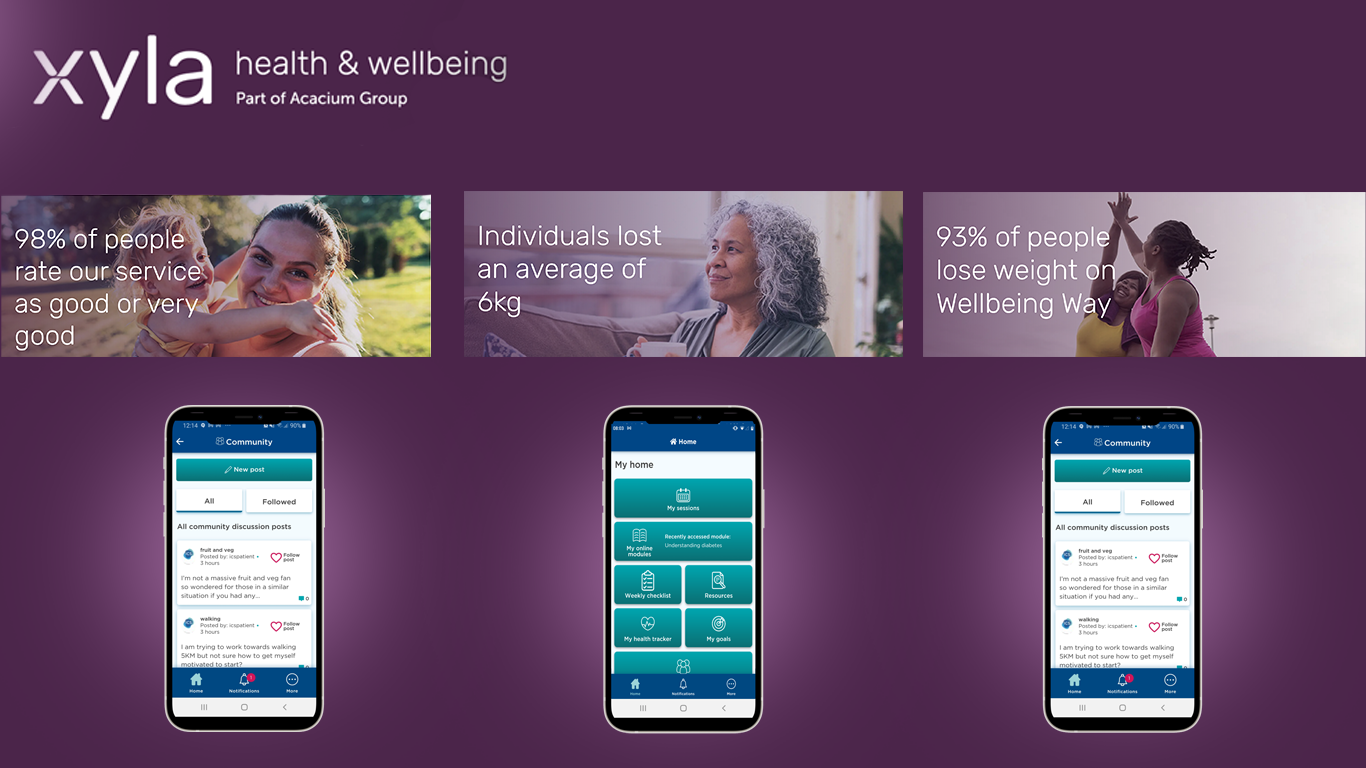
During the COVID-19 pandemic, Acacium Group developed a critical digital health solution for the NHS to support diabetic patients unable to attend in-person appointments. Traditional diabetes care had to transform into a comprehensive digital wellness platform to ensure continuity of care during healthcare disruption.

The challenge was to design a telehealth platform that was accessible to diverse patient groups, secure for medical communication, engaging through community support, and compliant with NHS clinical standards — all during a national health crisis.

Research questions

  1. How do diabetic patients manage their condition when in-person clinical support is unavailable?
  2. What are the critical touchpoints where digital intervention can provide the most impact?
  3. What barriers do diabetic patients face in adopting telehealth platforms?
  4. How can community support be integrated into a clinical platform without compromising medical credibility?
  5. What do healthcare providers need from a digital platform to deliver effective remote diabetes management?

Research goals

  • Understand how diabetic patients' care needs changed during COVID-19 lockdown.
  • Map the healthcare journey and identify where digital tools could replace or enhance in-person care.
  • Define requirements for virtual consultations, tracking, and community features from both patient and provider perspectives.
  • Document NHS clinical standards and compliance requirements.
  • Validate design concepts with real patients to ensure accessibility across diverse user groups.

Challenges

  • Research goals
  • Understand how diabetic patients' care needs changed during COVID-19 lockdown.
  • Map the healthcare journey and identify where digital tools could replace or enhance in-person care.
  • Define requirements for virtual consultations, tracking, and community features from both patient and provider perspectives.
  • Document NHS clinical standards and compliance requirements.
  • Validate design concepts with real patients to ensure accessibility across diverse user groups.

Approach

1. Remote Stakeholder & Patient Interviews

~15–20 participants · Patients, providers, NHS stakeholders

Remote interviews via video call exploring care disruption, digital adoption barriers, and remote clinical support requirements.

Key findings: Patients felt isolated without in-person appointments. Both patients and providers needed NHS-branded platforms, not third-party apps.


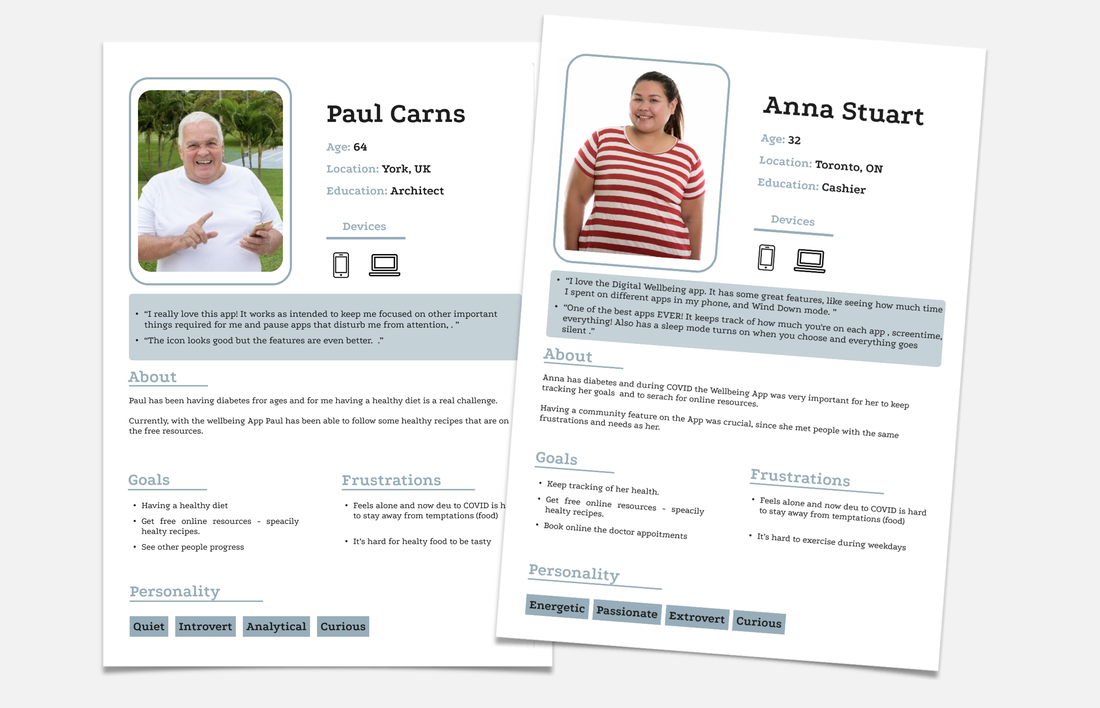
2. Patient & Provider Personas

4 personas · Research-validated

Personas representing patient segments (newly diagnosed, long-term diabetic, digitally confident/cautious) and provider roles (diabetes nurse, GP).

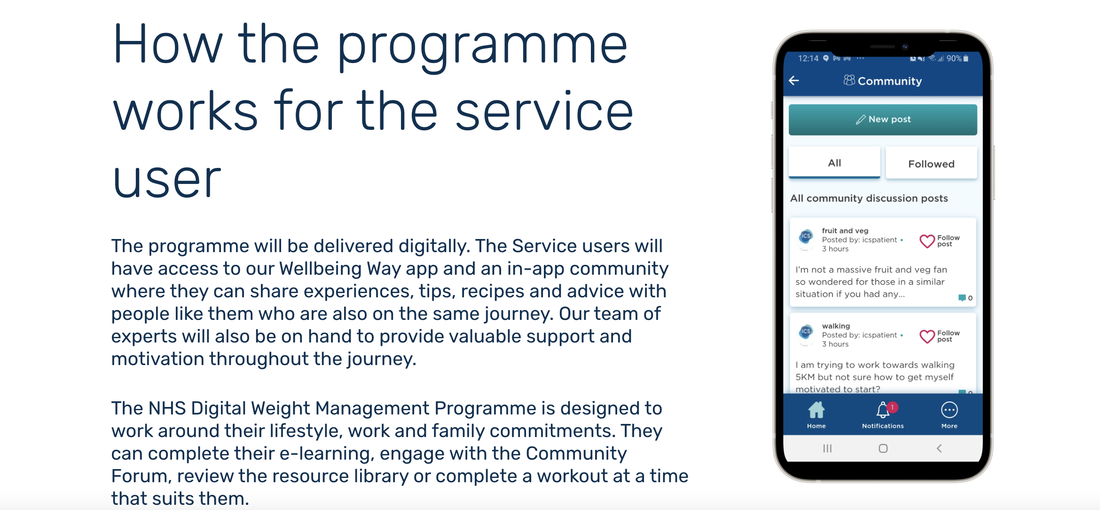
Key findings: Digital literacy varied widely. Community support valued but had to feel clinically safe. Providers needed at-a-glance progress dashboards.


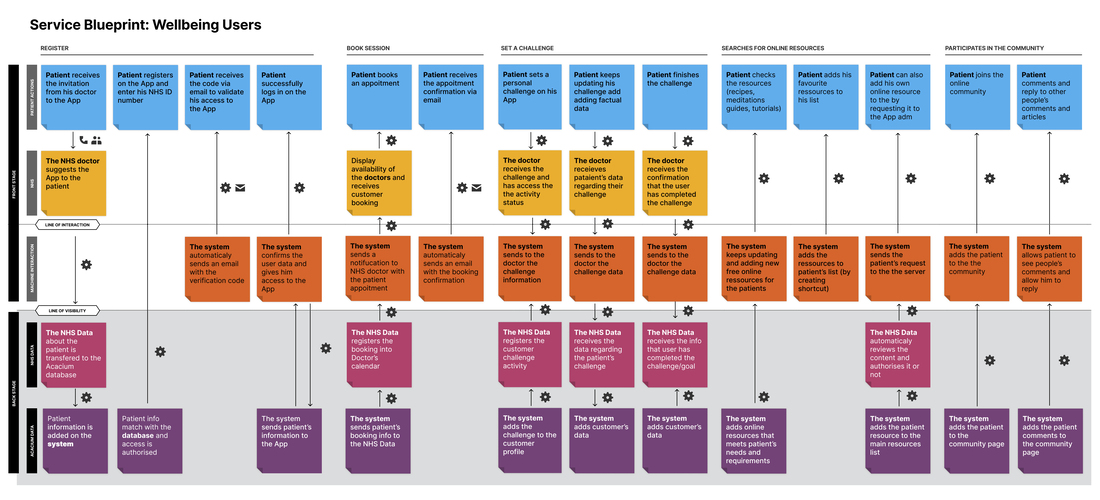
3. Digital Healthcare Journey Mapping

Co-created with patients and providers

Mapped the end-to-end journey identifying touchpoints suitable for digital intervention versus where clinical contact remained essential.

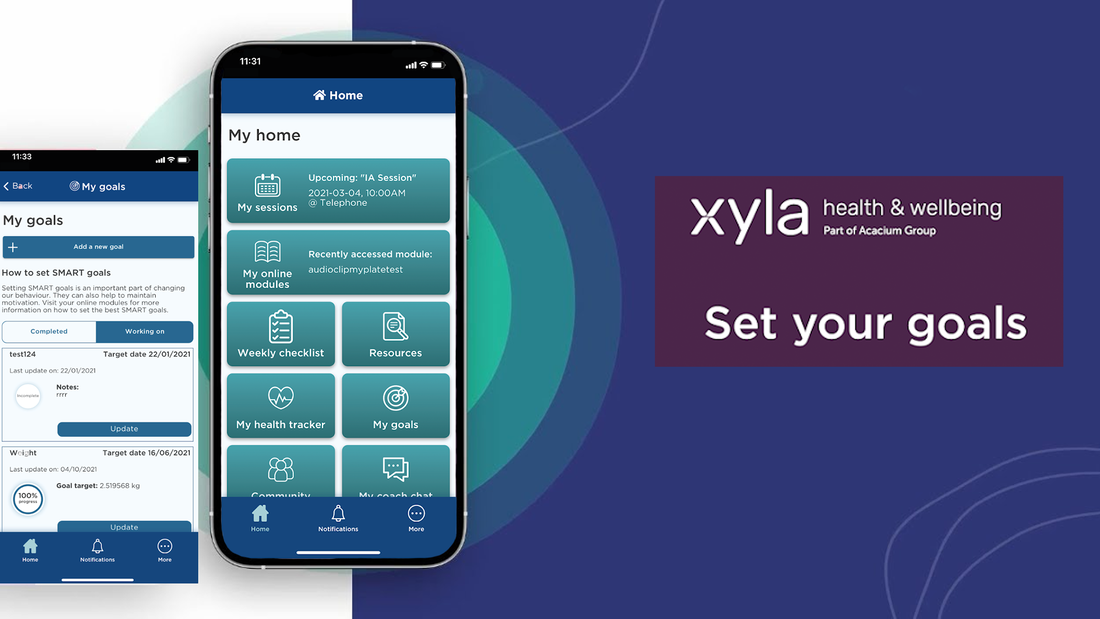
Key findings: Goal-setting, tracking, recipes, and peer support were highly suitable for digitalisation. Virtual consultations needed video and secure messaging.


4. Agile Design Sprints with User Testing

Multiple 2-week sprints · Remote usability testing

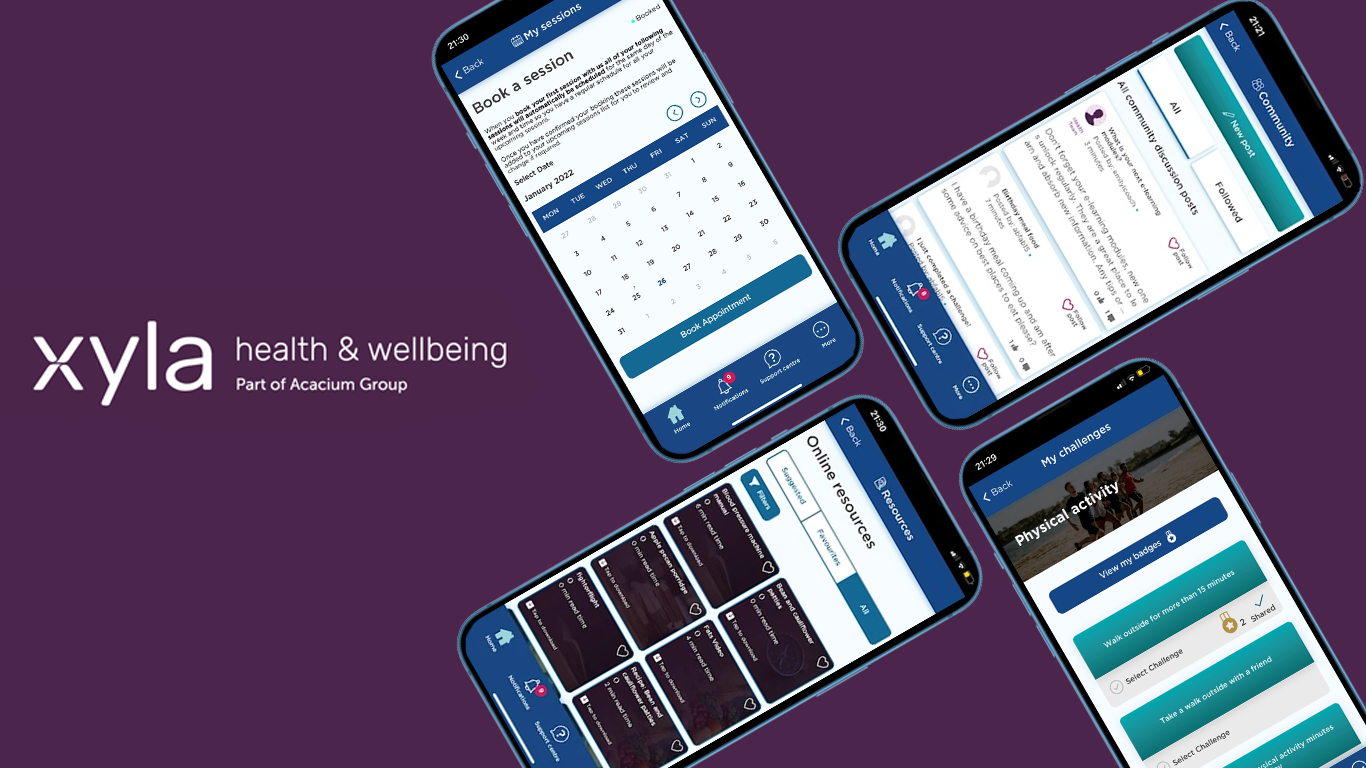
Each sprint delivered a testable feature (consultation booking, forum, recipe database, dashboard). Remote testing via screen-sharing focused on task completion and accessibility.

Key findings: Clear onboarding essential. Forums needed visible moderation. Recipe filtering by dietary requirements critical. Progress visualisations motivated engagement.


5. Clinical Integration & Compliance Review

NHS stakeholders embedded in sprints

Regular reviews with NHS compliance and clinical leads to validate against healthcare standards and data protection requirements.

Key findings: Role-based data visibility required. Community posts needed moderation workflows. NHS branding essential for trust.

Critical insights

Challenge: Pandemic lockdown prevented in-person research with vulnerable diabetic patients. Adaptation: Shifted entirely to remote methods — video interviews and screen-sharing usability tests with patients at home.

Challenge: Diverse patient groups with varying digital literacy, ages, and health complexities. Adaptation: Developed multiple personas and tested each iteration with representatives from each segment.

Challenge: Balancing clinical credibility with community engagement features. Adaptation: Separated clinical tools from community features in the information architecture whilst maintaining visual cohesion.

Challenge: Meeting NHS compliance whilst maintaining agile velocity. Adaptation: Embedded NHS stakeholders in sprint reviews and created compliance documentation in parallel with design.

Deliverables

  • Patient and provider personas (4 total)
  • Digital healthcare journey maps
  • Community support framework and moderation guidelines
  • Responsive health platform (web and in-app)
  • Patient engagement analytics dashboard
  • NHS compliance documentation

Impact

  • Diabetic patients maintained continuity of care during COVID-19 lockdown.
  • Platform launched nationally for NHS service users.
  • Community forum reduced patient isolation during pandemic.
  • Remote monitoring dashboards reduced clinician triage workload.
  • Platform accessible across diverse digital literacy levels.

Carolina’s portfolio

Carolina Sampaio Portfolio

Xylas - NHS App

XylasNHS App

Company:Acacium Group (digital health consultancy partnering with the NHS to deliver health platforms)

Role:UX Researcher and Designer

Project duration:2 months

Design team size:2 Designers

Skills:Research, stakeholder interviews, journey mapping, agile UX, usability testing,

Output & impact:Digital health platform delivered

Summary/Context

During the COVID-19 pandemic, Acacium Group developed a critical digital health solution for the NHS to support diabetic patients unable to attend in-person appointments. Traditional diabetes care had to transform into a comprehensive digital wellness platform to ensure continuity of care during healthcare disruption.

The challenge was to design a telehealth platform that was accessible to diverse patient groups, secure for medical communication, engaging through community support, and compliant with NHS clinical standards — all during a national health crisis.

Research questions

  1. How do diabetic patients manage their condition when in-person clinical support is unavailable?
  2. What are the critical touchpoints where digital intervention can provide the most impact?
  3. What barriers do diabetic patients face in adopting telehealth platforms?
  4. How can community support be integrated into a clinical platform without compromising medical credibility?
  5. What do healthcare providers need from a digital platform to deliver effective remote diabetes management?

Research goals

  • Understand how diabetic patients' care needs changed during COVID-19 lockdown.
  • Map the healthcare journey and identify where digital tools could replace or enhance in-person care.
  • Define requirements for virtual consultations, tracking, and community features from both patient and provider perspectives.
  • Document NHS clinical standards and compliance requirements.
  • Validate design concepts with real patients to ensure accessibility across diverse user groups.

Challenges

Challenge: Pandemic lockdown prevented in-person research with vulnerable diabetic patients. Adaptation: Shifted entirely to remote methods — video interviews and screen-sharing usability tests with patients at home.

Challenge: Diverse patient groups with varying digital literacy, ages, and health complexities. Adaptation: Developed multiple personas and tested each iteration with representatives from each segment.

Challenge: Balancing clinical credibility with community engagement features. Adaptation: Separated clinical tools from community features in the information architecture whilst maintaining visual cohesion.

Challenge: Meeting NHS compliance whilst maintaining agile velocity. Adaptation: Embedded NHS stakeholders in sprint reviews and created compliance documentation in parallel with design.

Approach

1. Remote Stakeholder & Patient Interviews

~15–20 participants · Patients, providers, NHS stakeholders

Remote interviews via video call exploring care disruption, digital adoption barriers, and remote clinical support requirements.

Key findings: Patients felt isolated without in-person appointments. Both patients and providers needed NHS-branded platforms, not third-party apps.


2. Patient & Provider Personas

4 personas · Research-validated

Personas representing patient segments (newly diagnosed, long-term diabetic, digitally confident/cautious) and provider roles (diabetes nurse, GP).

Key findings: Digital literacy varied widely. Community support valued but had to feel clinically safe. Providers needed at-a-glance progress dashboards.


3. Digital Healthcare Journey Mapping

Co-created with patients and providers

Mapped the end-to-end journey identifying touchpoints suitable for digital intervention versus where clinical contact remained essential.

Key findings: Goal-setting, tracking, recipes, and peer support were highly suitable for digitalisation. Virtual consultations needed video and secure messaging.


4. Agile Design Sprints with User Testing

Multiple 2-week sprints · Remote usability testing

Each sprint delivered a testable feature (consultation booking, forum, recipe database, dashboard). Remote testing via screen-sharing focused on task completion and accessibility.

Key findings: Clear onboarding essential. Forums needed visible moderation. Recipe filtering by dietary requirements critical. Progress visualisations motivated engagement.


5. Clinical Integration & Compliance Review

NHS stakeholders embedded in sprints

Regular reviews with NHS compliance and clinical leads to validate against healthcare standards and data protection requirements.

Key findings: Role-based data visibility required. Community posts needed moderation workflows. NHS branding essential for trust.

Critical insights

Challenge: Pandemic lockdown prevented in-person research with vulnerable diabetic patients. Adaptation: Shifted entirely to remote methods — video interviews and screen-sharing usability tests with patients at home.

Challenge: Diverse patient groups with varying digital literacy, ages, and health complexities. Adaptation: Developed multiple personas and tested each iteration with representatives from each segment.

Challenge: Balancing clinical credibility with community engagement features. Adaptation: Separated clinical tools from community features in the information architecture whilst maintaining visual cohesion.

Challenge: Meeting NHS compliance whilst maintaining agile velocity. Adaptation: Embedded NHS stakeholders in sprint reviews and created compliance documentation in parallel with design.

Deliverales

  • Patient and provider personas (4 total)
  • Digital healthcare journey maps
  • Community support framework and moderation guidelines
  • Responsive health platform (web and in-app)
  • Patient engagement analytics dashboard
  • NHS compliance documentation

Impact

  • Diabetic patients maintained continuity of care during COVID-19 lockdown.
  • Platform launched nationally for NHS service users.
  • Community forum reduced patient isolation during pandemic.
  • Remote monitoring dashboards reduced clinician triage workload.
  • Platform accessible across diverse digital literacy levels.

Carolina’s portfolio

Carolina Sampaio Portfolio

Xylas - NHS App

Company:Acacium Group (digital health consultancy partnering with the NHS to deliver health platforms)

Role:UX Researcher and Designer

Project duration:2 months

Design team size:2 Designers

Skills:Research, stakeholder interviews, journey mapping, agile UX, usability testing,

recommendations for stakeholders

Output & impact:Digital health platform delivered

Summary/Context

During the COVID-19 pandemic, Acacium Group developed a critical digital health solution for the NHS to support diabetic patients unable to attend in-person appointments. Traditional diabetes care had to transform into a comprehensive digital wellness platform to ensure continuity of care during healthcare disruption.The challenge was to design a telehealth platform that was accessible to diverse patient groups, secure for medical communication, engaging through community support, and compliant with NHS clinical standards — all during a national health crisis.

Project phases

Research questions

Research goals

Challenges

Approach

Deliverables & impact

Research questions

  1. How do diabetic patients manage their condition when in-person clinical support is unavailable?
  2. What are the critical touchpoints where digital intervention can provide the most impact?
  3. What barriers do diabetic patients face in adopting telehealth platforms?
  4. How can community support be integrated into a clinical platform without compromising medical credibility?
  5. What do healthcare providers need from a digital platform to deliver effective remote diabetes management?

Research goals

  • Understand how diabetic patients' care needs changed during COVID-19 lockdown.
  • Map the healthcare journey and identify where digital tools could replace or enhance in-person care.
  • Define requirements for virtual consultations, tracking, and community features from both patient and provider perspectives.
  • Document NHS clinical standards and compliance requirements.
  • Validate design concepts with real patients to ensure accessibility across diverse user groups.

Challenges

Challenge: Pandemic lockdown prevented in-person research with vulnerable diabetic patients. Adaptation: Shifted entirely to remote methods — video interviews and screen-sharing usability tests with patients at home.

Challenge: Diverse patient groups with varying digital literacy, ages, and health complexities. Adaptation: Developed multiple personas and tested each iteration with representatives from each segment.

Challenge: Balancing clinical credibility with community engagement features. Adaptation: Separated clinical tools from community features in the information architecture whilst maintaining visual cohesion.

Challenge: Meeting NHS compliance whilst maintaining agile velocity. Adaptation: Embedded NHS stakeholders in sprint reviews and created compliance documentation in parallel with design.

Approach

1. Remote Stakeholder & Patient Interviews

~15–20 participants · Patients, providers, NHS stakeholders

Remote interviews via video call exploring care disruption, digital adoption barriers, and remote clinical support requirements.

Key findings: Patients felt isolated without in-person appointments. Both patients and providers needed NHS-branded platforms, not third-party apps.


2. Patient & Provider Personas

4 personas · Research-validated

Personas representing patient segments (newly diagnosed, long-term diabetic, digitally confident/cautious) and provider roles (diabetes nurse, GP).

Key findings: Digital literacy varied widely. Community support valued but had to feel clinically safe. Providers needed at-a-glance progress dashboards.


3. Digital Healthcare Journey Mapping

Co-created with patients and providers

Mapped the end-to-end journey identifying touchpoints suitable for digital intervention versus where clinical contact remained essential.

Key findings: Goal-setting, tracking, recipes, and peer support were highly suitable for digitalisation. Virtual consultations needed video and secure messaging.


4. Agile Design Sprints with User Testing

Multiple 2-week sprints · Remote usability testing

Each sprint delivered a testable feature (consultation booking, forum, recipe database, dashboard). Remote testing via screen-sharing focused on task completion and accessibility.

Key findings: Clear onboarding essential. Forums needed visible moderation. Recipe filtering by dietary requirements critical. Progress visualisations motivated engagement.


5. Clinical Integration & Compliance Review

NHS stakeholders embedded in sprints

Regular reviews with NHS compliance and clinical leads to validate against healthcare standards and data protection requirements.

Key findings: Role-based data visibility required. Community posts needed moderation workflows. NHS branding essential for trust.
Critical findings

RQ1 — How do patients manage without in-person support? Patients felt isolated and turned to unverified online sources, highlighting the need for a trusted NHS digital platform.

RQ2 — Where can digital intervention provide the most impact? Goal-setting, tracking, educational content, and peer support were highly suitable. Virtual consultations could replace routine check-ins but not acute decisions.

RQ3 — What barriers exist to telehealth adoption? Digital literacy varied widely. Patients needed clear onboarding, simple navigation, and NHS-approved reassurance.

RQ4 — How can community support be integrated safely? Community features had to feel moderated and clinically safe to prevent misinformation.

RQ5 — What do providers need? Dashboards showing engagement, progress trends, and flagged concerns. Secure messaging to reduce phone triage workload.

Deliverables

  • Patient and provider personas (4 total)
  • Digital healthcare journey maps
  • Community support framework and moderation guidelines
  • Responsive health platform (web and in-app)
  • Patient engagement analytics dashboard
  • NHS compliance documentation

Impact

  • Diabetic patients maintained continuity of care during COVID-19 lockdown.
  • Platform launched nationally for NHS service users.
  • Community forum reduced patient isolation during pandemic.
  • Remote monitoring dashboards reduced clinician triage workload.
  • Platform accessible across diverse digital literacy levels.